




Key points:
- Care Navigators manage the patient journey outside the exam room, not just the schedule inside it.
- They directly reduce clinician burnout by absorbing complex coordination work that does not require a medical license.
- Practices that use Care Navigators see measurable improvements in follow-up adherence, referral completion, and patient retention.
Most patients leave their appointment understanding maybe half of what they were just told. They go home with a referral they never book, a prescription they cannot afford, and a follow-up they keep meaning to schedule. That gap, between clinical instruction and actual patient action, is where outcomes are won or lost.
What a Care Navigator Actually Does All Day
The job title sounds simple enough. In practice, it is anything but.
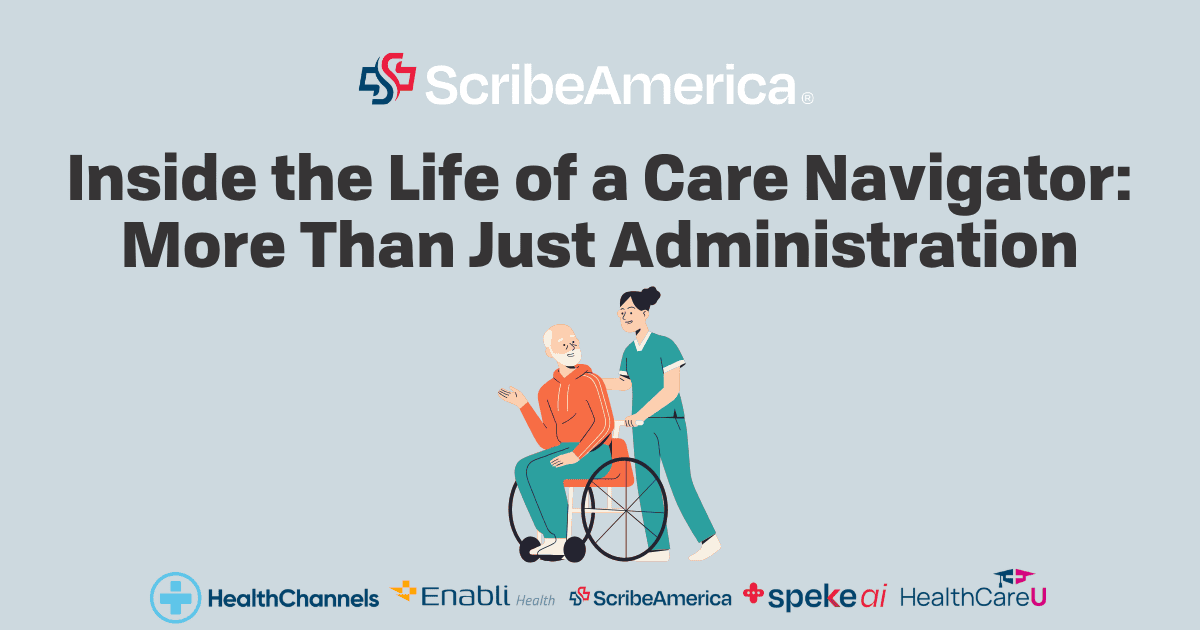
Care Navigators own everything that happens to a patient between appointments. That includes tracking whether a referral was actually scheduled, whether a patient encountered a cost barrier with their medication, and whether a post-discharge follow-up occurred at all.
A typical day might involve:
- Contacting a patient who missed a specialist appointment to find out why and reschedule.
- Connecting a newly diagnosed diabetic with a local community health resource.
- Clarifying discharge instructions that a patient did not fully understand before leaving the hospital.
- Monitoring a chronic care patient who flagged new symptoms during a routine wellness check.
None of these tasks requires a clinical license. All of them directly affect patient outcomes.
The Burnout Problem They Help Solve
Physician burnout is not a morale issue. It is an operational one.
Clinicians spend a significant portion of their day on tasks that have nothing to do with practising medicine, chasing down lab results, managing referral loops, and fielding patient calls that could be triaged by someone else. Offloading that coordination work to a dedicated Care Navigator is one of the fastest ways to give providers back their time.
When a physician is not tracking a missing imaging result, they are seeing another patient. Or leaving on time. Both outcomes matter.
There is a financial argument here, too. Using a physician's time for administrative follow-up is expensive and inefficient. Care Navigators let everyone work at the top of their respective license, which is exactly how a well-run practice should function, and it is the same principle behind every effort to improve patient care without adding clinical headcount.
Turning a Good Care Plan Into an Actual Result
A care plan is only as good as the patient's ability to follow it. That sounds obvious. But it is where most practices lose people.
Care Navigators check in. They follow up. They translate medical language into steps a patient can actually act on. The ability to build the necessary trust to keep patients accountable and motivated is what separates a navigator from a reminder phone call.
This matters most for patients managing chronic conditions. Someone with heart failure or uncontrolled diabetes needs consistent touchpoints between visits, not just a pamphlet and a hope. A navigator provides that consistency. And when a patient starts to slip, the navigator catches it before it becomes a readmission.
That kind of proactive outreach is not just good for patients. It also protects the practice's quality metrics and payer relationships.
The Operational Data Most Practices Never Collect
Here is something most administrators overlook: Care Navigators are a source of operational intelligence.
Every interaction they log tells you something about your patient population and your system. Which referral partners are impossible to book? Which pharmacy keeps delaying prior authorizations? Which patient segment consistently struggles with transportation? Navigators document these patterns so practice managers can fix the underlying problems, not just manage the symptoms.
That transforms anecdotal frustration into data. And data is what actually drives change.
Integrating Care Navigation Without Disrupting Your Workflow
Bringing a Care Navigator into your practice requires more than posting a job listing. The role needs clear protocols and well-defined boundaries from day one.
Start by identifying where your patient journey is actually breaking down. Is it referral leakage? Post-discharge follow-up? Chronic care gaps? Define the problem first, then build the navigator's workflow around solving it.
The practices that see results quickly are the ones that give their navigators specific lanes - not vague directives to "help with coordination." Clarity on scope protects the clinical team, keeps the navigator effective, and gives you something to measure.
FAQ - Frequently Asked Questions About Care Navigator Job Description
What is the difference between a Care Navigator and a Medical Assistant?
Medical Assistants support clinical tasks during the patient visit itself, taking vitals, drawing blood, and rooming patients. Care Navigators focus on what happens before and after that visit: scheduling, follow-up, barrier removal, and ongoing coordination. The roles complement each other, much like how a Patient Care Technician frees up nursing staff by handling defined bedside tasks.
Do Care Navigators give clinical advice?
No. Care Navigators work strictly within non-clinical boundaries. They reinforce provider instructions and connect patients with resources, but any medical question gets escalated directly back to the clinical team.
How do Care Navigators affect a practice's revenue?
They reduce no-show rates, close referral loops that would otherwise leak, and prevent avoidable readmissions. By freeing up provider time, they also increase the number of patients a practice can see each day, which directly impacts the bottom line.