

Key Points:
- Patient confidentiality ensures that personal health information shared with providers remains private, which encourages honesty and leads to much better diagnoses.
- Maintaining privacy is a shared responsibility among doctors, nurses, pharmacists, administrators, and medical scribes through the highly secure handling of records.
- Protecting sensitive information in a modern digital healthcare environment relies on encrypted systems, strict access controls, and proper staff training to prevent breaches.
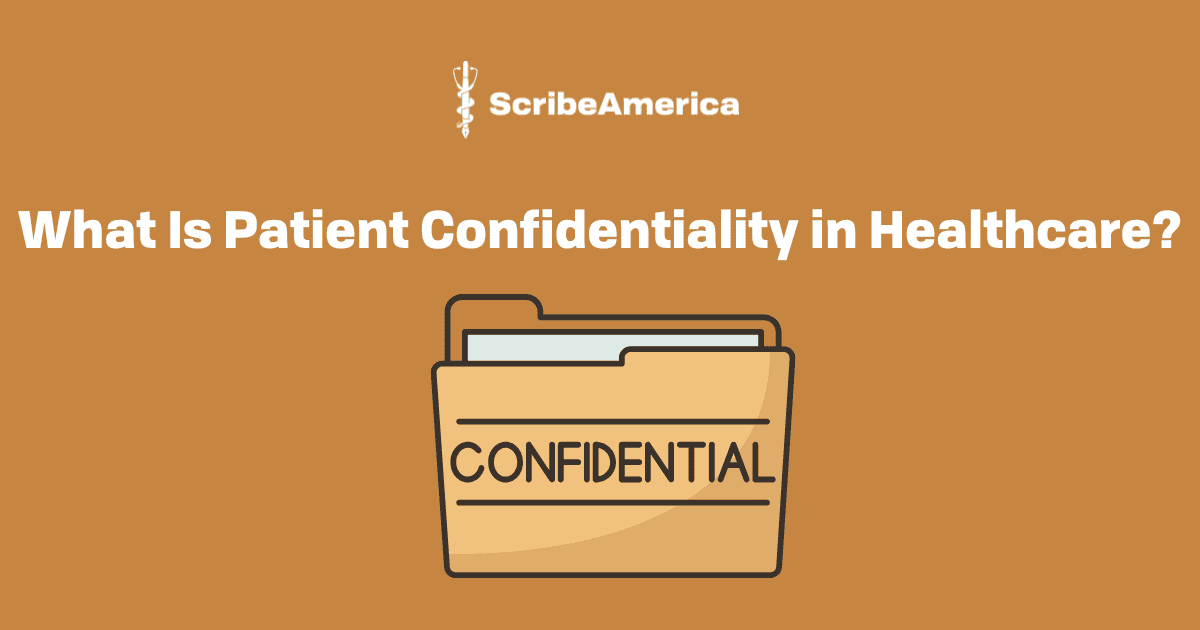
When patients visit a healthcare provider, whether for a routine exam or a complex diagnosis, there's an unspoken understanding that their personal information stays private. This isn’t just professional courtesy, it’s a fundamental part of ethical care. But what is patient confidentiality, exactly? How does it work, and why does it matter in today’s tech-driven healthcare world? As healthcare teams grow and more professionals support care behind the scenes, understanding patient confidentiality in healthcare has never been more important.
Why is patient confidentiality considered the foundation of trust?
So, what is patient confidentiality in simple terms? It's the principle that anything a patient shares with their healthcare provider (details about symptoms, lifestyle, mental health, medical history, or treatments) must be kept private. That information can’t be shared without the patient’s clear consent, except in very specific legal or safety-related situations.
At its heart, patient confidentiality is all about trust. Patients need to feel confident that their personal information won’t be exposed or misused. When that trust is intact, people are more likely to speak honestly and fully about their health, which leads to more accurate diagnoses, safer treatments, and better outcomes.
Why doctor-patient confidentiality is personal
We often hear the phrase doctor-patient confidentiality, and for good reason. The relationship between a doctor and a patient is one of the most sensitive and private partnerships that exist. Patients share things they might not even tell family members, because they believe that what’s said in the exam room stays there. Doctor-patient confidentiality isn’t just based on ethics; it’s supported by laws like HIPAA, which sets national standards for protecting sensitive health data. It ensures that physicians (and by extension, anyone involved in care) handle patient information with discretion.

Patient-doctor confidentiality in a team-based system
Modern healthcare isn’t limited to a single doctor and patient. Nurses, specialists, pharmacists, administrators, and medical scribes all play key roles in care delivery. That’s where patient-doctor confidentiality becomes a shared responsibility. Medical scribes, for instance, document patient encounters in real time, often sitting in the room during visits or working remotely. This makes their role in maintaining patient confidentiality critical. Scribes are trained to handle information discreetly, adhere to strict data protocols, and ensure that medical records are complete, accurate, and secure. In this team-based environment, patient privacy and confidentiality must be a top priority for everyone, not just the physician.
How can medical facilities protect privacy in a connected world?
Today, the technological landscape of healthcare has changed dramatically. While this improves access and convenience, it also introduces new risks:
- Most medical records are now stored in completely digital formats.
- Patient appointments are frequently scheduled through online platforms.
- Sensitive test results are shared directly via digital portals.
- Telemedicine has become a routine part of modern patient care.
Patient privacy and confidentiality now depend heavily on secure systems, access controls, and staff training. Healthcare providers use encrypted electronic health record (EHR) platforms, limit access to only authorized personnel, and regularly audit usage. Everyone who touches patient data, whether they’re prescribing medication or updating a chart, must understand how to handle it securely.
And medical scribes are part of this process, working within secure systems and following strict compliance standards. Their attention to accuracy and discretion helps ensure that confidential details are protected and recorded properly.
In real-world terms, patient confidentiality is the understanding that your health story belongs to you. It’s your right to decide who hears it and how it’s used. And it’s every healthcare professional’s responsibility to protect it.
As care becomes more collaborative and data-driven, this responsibility grows. From doctors and nurses to medical scribes, protecting patient-doctor confidentiality is essential to keeping that trust intact. But what happens when patient confidentiality is compromised? Well, it can have serious consequences:
- Patients may feel highly exposed, vulnerable, and betrayed.
- Individuals may completely lose trust in their healthcare providers.
- Providers can face strict legal action and professional penalties.
- A medical facility can suffer lasting damage to its public reputation.
However, not all disclosures are breaches. In certain situations, like preventing harm to the patient or others, or complying with a court order, healthcare professionals may be legally required to share information. Even then, it’s done carefully, following strict guidelines and only sharing what’s necessary.
Are you ready to commit to ethical healthcare practices?
In the end, patient confidentiality in healthcare is what makes meaningful, respectful care possible. The goal of doctor-patient confidentiality is simply to protect trust, promote honesty, and support better health outcomes.
As part of the broader care team, medical scribes quietly play a role in this process too, by documenting carefully, handling information respectfully, and allowing providers to stay fully focused on what matters most: the patient care.