




Key Points:
- Patients with providers who share their background are more likely to trust medical advice, adhere to treatment, and return for follow-up care.
- Representation in the healthcare workforce is not just a diversity goal; it is a measurable clinical one.
- Building a more representative pipeline requires addressing barriers at every stage, from pre-med to practice.
A patient sits across from a physician who has never shared their language, their cultural context, or their lived experience. The appointment went fine, technically. But something does not quite land. That gap, small as it seems in a single visit, compounds across a lifetime of healthcare interactions. And for millions of patients in the US, it is the norm.
What Representation in Healthcare Actually Means
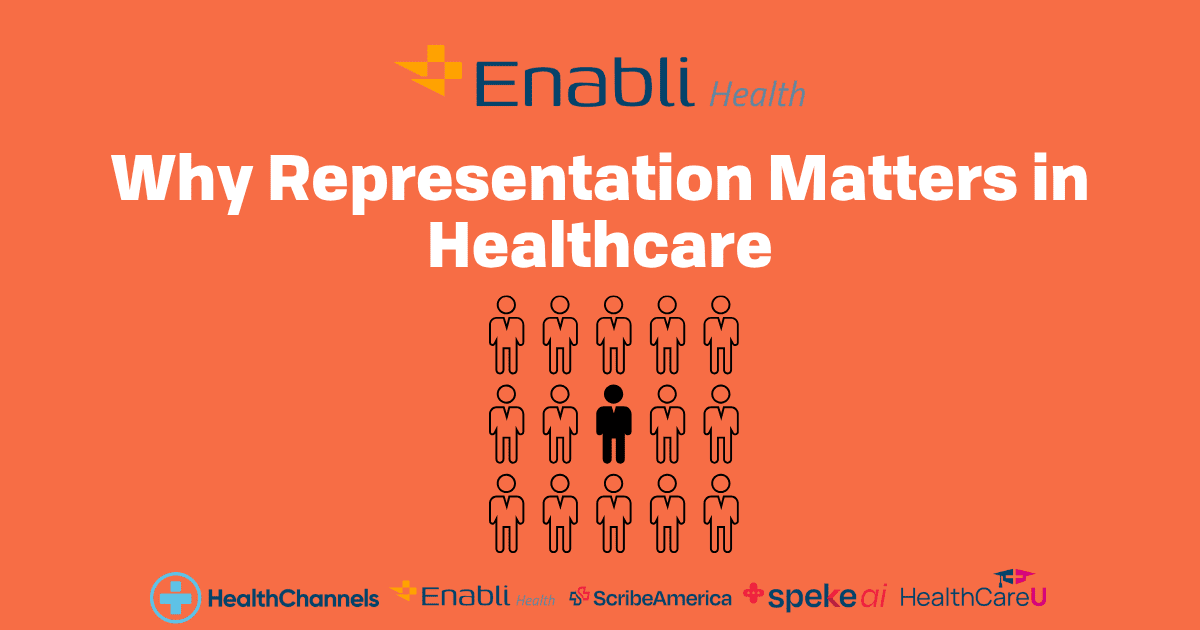
Representation is not about optics. It is about whether the healthcare system reflects the population it serves, at every level, from the exam room to the executive suite.
A diverse workforce means patients can find providers who understand their cultural backgrounds, speak their languages, and recognize the social factors that shape their health. It means clinical research that includes populations historically excluded from trials. It means policies shaped by people who have experienced the system from multiple angles.
None of that happens automatically. It requires deliberate investment in who enters the profession and who gets supported once they are in it.
The Clinical Case for Diverse Providers
The evidence here is not ambiguous. Studies consistently show that patients from underrepresented groups report higher trust, better communication, and greater satisfaction when they see providers who share their racial or ethnic background. That concordance translates into real outcomes: higher rates of preventive care, better chronic disease management, and lower rates of treatment avoidance.
Black patients, for instance, are more likely to follow through on recommended screenings and accept certain interventions when treated by Black physicians. Latino patients report fewer language-related misunderstandings and feel more comfortable disclosing sensitive symptoms. These are not soft metrics. They affect readmission rates, emergency utilization, and long-term population health.
The clinical case for representation is inseparable from the case for inclusion in healthcare as a structural priority rather than an optional one.
Why the Pipeline Problem Starts Early
The physician workforce does not reflect the US population, and that gap does not close on its own. It is the product of barriers that stack up long before someone applies to medical school.
Students from underrepresented communities are less likely to have access to strong pre-med advising, clinical shadowing opportunities, or the financial runway to absorb the cost of applications, MCAT prep, and unpaid clinical hours. Many never reach the starting line, not because of aptitude, but because the system was not built with them in mind.
Organizations that are serious about representation have to invest upstream in mentorship, outreach, and reducing the financial barriers that thin the pipeline before it even begins.
Representation Beyond Race and Ethnicity
The conversation about representation often centers on race and ethnicity, and rightly so. But the full picture is broader.
Gender representation in surgical specialties, geographic diversity in rural and underserved communities, providers who speak languages other than English, and clinicians with personal experience navigating disability or mental illness all of these dimensions shape whether a patient feels seen. A healthcare system with genuine representation is one where a patient can reasonably expect to find a provider who understands where they are coming from.
That kind of empathy in the workplace does not emerge from good intentions alone. It emerges from building teams that carry diverse experience into every patient interaction.
What Healthcare Organizations Can Do Right Now
Representation does not happen by posting a diversity statement. It requires concrete action at the levels of hiring, retention, and leadership.
Some of the most effective steps organizations are taking include:
- Partnering with minority-serving institutions to build early recruitment pipelines
- Creating mentorship programs that connect underrepresented students with providers who share their background
- Reviewing compensation and promotion structures for systemic inequity
- Supporting employees with culturally responsive continuing education
Retention matters as much as recruitment. Hiring diverse providers and then placing them in environments where they feel unsupported, overlooked, or tokenized is not representation; it is attrition waiting to happen.
The soft skills required to build genuinely inclusive teams, active listening, cultural humility, and the willingness to examine assumptions, are the same skills that make providers effective in the exam room. They are worth developing at every level of the organization.
FAQ - Frequently Asked Questions About Why Representation Matters
Does provider-patient racial concordance actually improve health outcomes?
Yes, and the research is consistent. Patients who see providers from similar backgrounds report higher trust, better communication, and greater willingness to engage with preventive care. The effect is strongest in populations that have historically experienced discrimination within the healthcare system.
Is representation only relevant for patients from minority groups?
No. A more representative workforce improves care quality across the board by bringing broader clinical perspectives, reducing cultural blind spots in diagnosis and treatment, and building institutional knowledge of underserved populations.
How can a healthcare organization measure progress on representation?
Start with workforce demographics at every level, not just entry-level roles. Track promotion rates, retention, and pay equity across demographic groups, and compare your workforce composition to the community you actually serve. The gap between those two numbers is where the work begins.