


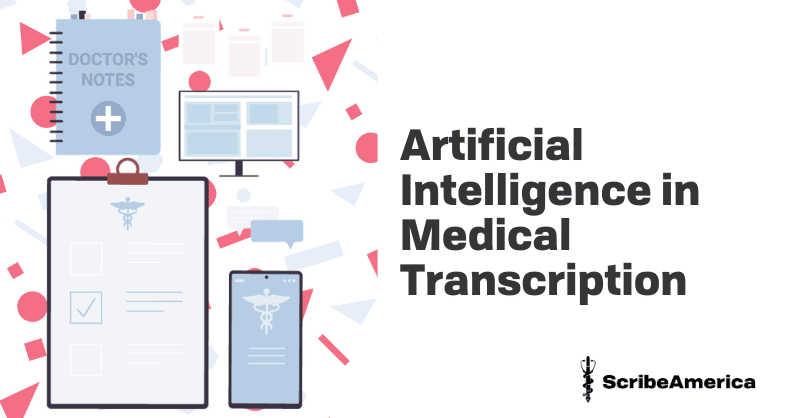


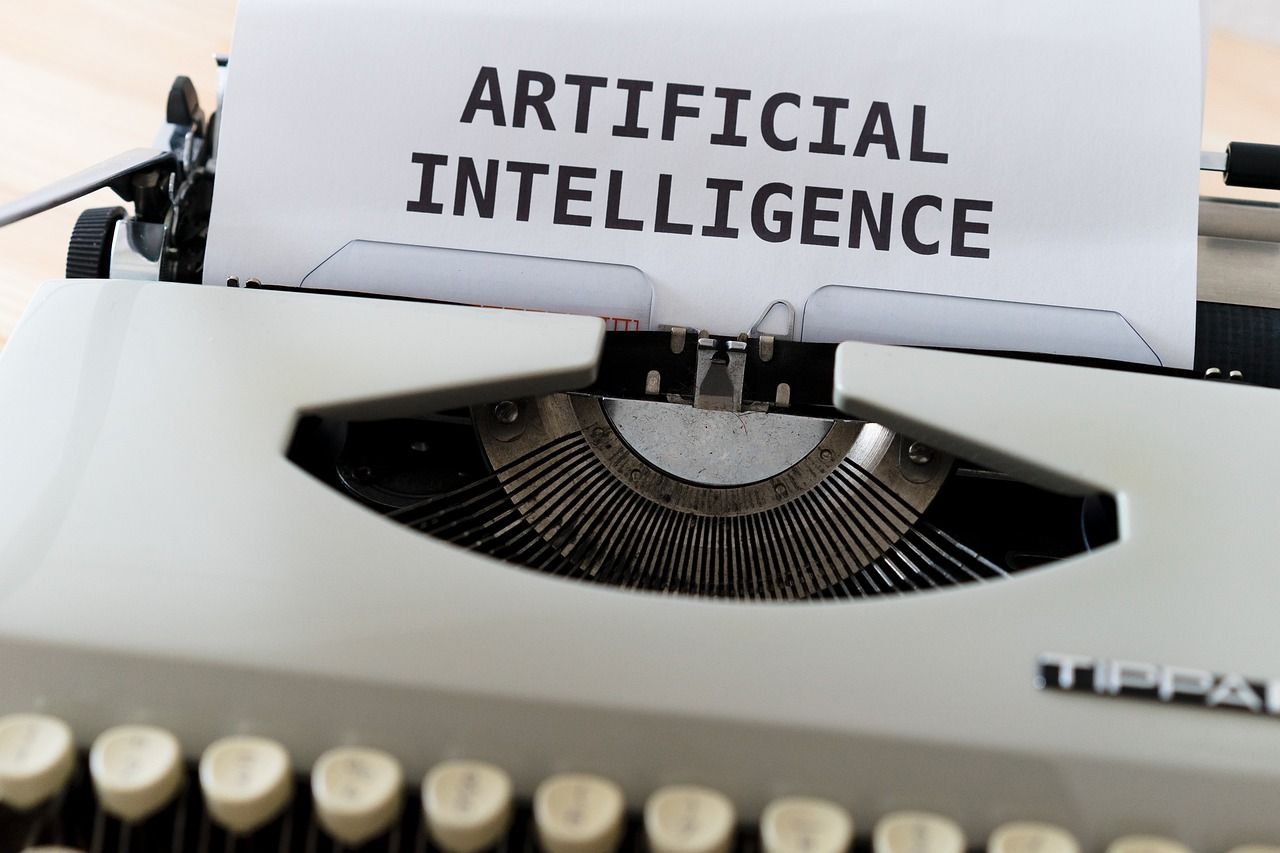
Medical transcription, the process of converting spoken medical records into written form, plays a crucial role in maintaining comprehensive patient records, and with the advent of artificial intelligence, it has undergone a significant transformation. AI has not only increased efficiency but has also improved the overall quality of healthcare documentation. How is cutting-edge tech revolutionizing healthcare documentation and what are the benefits of artificial intelligence medical transcription?
Key Points:
- Artificial intelligence enhances medical transcription by significantly improving document accuracy, processing speed, and direct EHR integration.
- Automated speech recognition and natural language processing allow clinical software to instantly interpret complex medical terminology and context.
- While modern technology handles routine data entry, human oversight remains essential for verifying clinical nuance and ensuring HIPAA compliance.
How is AI changing medical transcription?
Traditionally, medical transcription involved specialized transcriptionists who listened to physicians' dictations and transcribed them manually. If you are curious about how these roles differ in clinical settings, explore our guide on medical scribe vs transcriptionist. While traditional note-taking was often time-consuming, today's ai powered medical transcription tools are changing the game.
How does Automatic Speech Recognition (ASR) work?
AI uses Automatic Speech Recognition to transcribe spoken words into text. ASR systems are trained to recognize medical jargon and terminology, ensuring accurate transcriptions. They can process large volumes of audio data in real-time, significantly reducing the turnaround time for documentation. This leap in technology makes healthcare ai transcription more accurate and efficient, even in complex medical scenarios where precise language is critical.
Natural Language Processing (NLP)
NLP algorithms further enhance the accuracy of ai medical transcription. They can understand the context and meaning behind words, allowing for more contextually relevant transcriptions. This is particularly important in healthcare, where interpreting medical data precisely can directly affect patient outcomes.
How do transcription tools integrate with EHR systems?
AI medical transcription tools can be seamlessly integrated with Electronic Health Record (EHR) systems, facilitating the immediate update of patient records. This integration streamlines the documentation process, allowing healthcare professionals to focus more on direct patient care.
What are the main benefits of AI in medical transcription?
The adoption of medical transcription ai offers numerous advantages to the healthcare industry:
- Cutting-edge tech is highly accurate and reduces the chances of errors in medical records.
- AI-driven transcription significantly speeds up the documentation process. Physicians can dictate patient notes, and within minutes, the transcriptions are available for review, which translates to valuable time and cost savings.
- AI transcription services are available 24/7, providing healthcare professionals with a flexible and on-demand solution that ensures records can be updated in real-time.
What are the challenges and implementation considerations?
Despite the numerous benefits of ai for medical transcription, there are key considerations to keep in mind.
While software solutions lead to long-term operational efficiency, successful adoption requires careful platform selection, proper staff onboarding, and ongoing adaptation to daily workflows. Furthermore, maintaining robust data security and strict compliance with healthcare regulations (such as HIPAA in the U.S.) remains paramount to ensuring patient privacy is never compromised.
At the end of the day, AI transcription should complement, not replace, human involvement in healthcare. There will always be a need for human oversight to ensure the highest standards of medical documentation. Human medical professionals can review AI-generated transcriptions to verify clinical context and ensure all critical details are captured.
Our final takeaway
Artificial intelligence is an established core standard in medical transcription, continually enhancing accuracy, efficiency, and accessibility across clinical workflows. It is fundamental to how modern healthcare providers maintain patient records and manage everyday patient care.
In this era of rapid technological advancement, ai medical transcription clearly demonstrates how innovation can elevate the healthcare industry, improving workflows for both patients and healthcare specialists.
Did you like this article? You may also read our analysis on how does AI impact healthcare or learn more about fundamental documentation principles in our guide on what is medical transcription.